

Facial Plastic Surgery
Dr Pratik Rastogi performs aesthetic facial surgery, with procedures that address individual considerations relating to facial anatomy, ageing and personal preferences. Patients may consider these procedures to address changes associated with ageing, features of their natural anatomy or concerns specific to their individual circumstances.
Surgery is one of several available approaches, alongside non-surgical treatments or the option of not proceeding with treatment. Each approach is considered in the context of the patient’s individual needs, preferences and clinical circumstances.
Written and medically reviewed by Dr Pratik Rastogi, Specialist Plastic Surgeon
Dr Rastogi performs four key categories of aesthetic facial surgery, with procedures involving the skin, underlying facial structures or a combination of both, depending on the patient’s individual anatomy and surgical considerations.
Explore the procedures below to gain a clearer understanding of what each involves and the circumstances in which it may be considered.
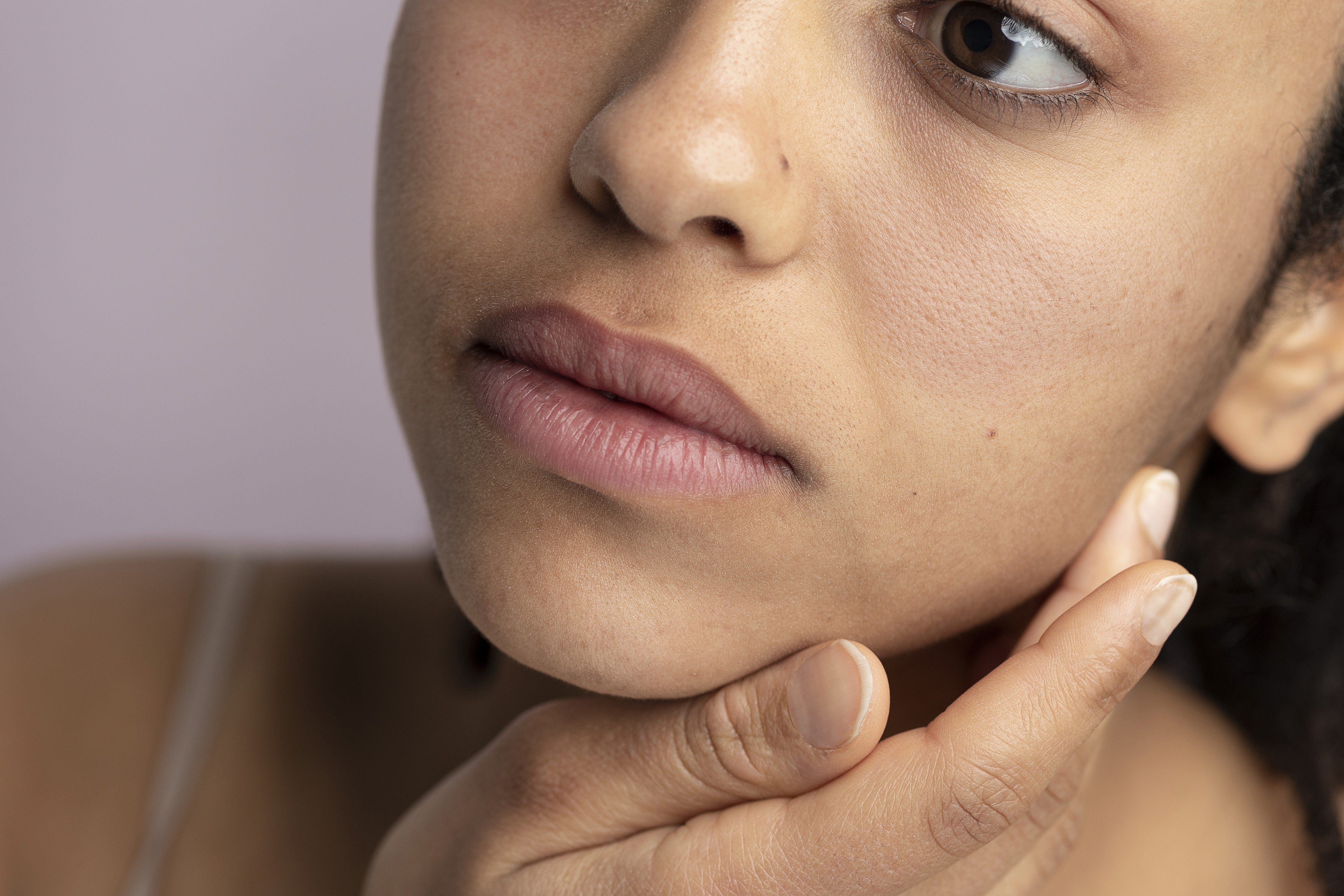
The most appropriate option depends on whether the concerns relate to the skin, underlying structures or a combination of both.
The table below outlines common considerations and the treatment options Dr Rastogi may discuss.
Brow Positioning
Potential Treatment Pathways
Brow lift (direct, lateral temporal, endoscopic)
Non-surgical treatment (selective chemical denervation with Botulinum toxin)
Lower Eyelid Position, Hollowing or Fullness
Potential Treatment Pathways
Lower blepharoplasty (lower eyelid surgery) with fat transposition or reduction
Malar (cheek) or tear trough implants
Canthoplasty- canthal tendon tightening
Non-surgical treatment (filler or fat grafting)
Facial & Neck Laxity
Potential Treatment Pathways
Face lift
Neck lift
Non-surgical treatment (laser, filler or fat grafting)
Your individual circumstances and treatment options, including non-surgical approaches, are carefully considered and will be discussed with you during your consultation
Understanding The Difference,
Upper Blepharoplasty Upper Eyelid Surgery & Browplasty Browlift?
An upper blepharoplasty- upper eyelid surgery involves removing excess skin from the upper eyelid, while a browplasty- brow lift focuses on repositioning the brow.
Although these procedures address different anatomical considerations, they are often confused due to the close relationship between the brow and upper eyelid.
Dr Rastogi assesses both areas considering individual anatomy and which surgical option, if any, may be appropriate.
Upper Blepharoplasty
Upper Eyelid Surgery
Brow lift
Gentle walking from day 1,
avoid strenuous exercise for 2 - 3 weeks
Facial Plastic Surgery · Frequently Asked Questions
Do I require a GP Referral for Facial Plastic Surgery?
Yes. A referral from your GP is required before your initial consultation with Dr Rastogi. This referral cannot be provided by the surgeon performing your procedure.A minimum of two consultations is required before surgery, with at least one conducted in person and the other potentially via telehealth. For cosmetic procedures without an associated Medicare item number, a cooling-off period of at least seven days applies following informed consent, before surgery can be scheduled.These requirements are outlined in the Medical Board of Australia’s guidelines for cosmetic surgery.
Does Medicare or my Health Fund Cover Facial Plastic Surgery?
Generally, cosmetic surgery is not covered by Medicare or private health insurance. However, eligibility for rebates or contributions varies depending on individual circumstances, the nature of the procedure and your level of health cover. Dr Rastogi will assess your circumstances during your consultation, and his practice can provide guidance on potential claims.Procedure costs vary depending on individual requirements. A detailed, itemised quotation will be provided for your consideration before making a decision.
How do I choose between procedures?
You don't need to decide on a procedure before your consultation. Dr Pratik will assess your brow, eyelids, cheeks and skin, considering whether your concerns relate to the skin, underlying structures or a combination of both. He will then discuss the most appropriate options, including non-surgical treatments or whether treatment is necessary. In some cases, a combination of procedures may be recommended, with each treatment plan tailored to your individual facial anatomy and goals.
How much time off work will I need?
Recovery timelines vary depending on the procedure and individual circumstances. Each procedure page outlines the anticipated week-by-week recovery, with further guidance provided in your personalised surgical plan. Following surgery, weekly nursing reviews are conducted for the first six weeks, followed by consultations with Dr Rastogi at 3, 6 and 12 months. These recovery and follow-up requirements should be considered when planning time away from work and other commitments.
When might Dr Rastogi advise against facial surgery?
Dr Rastogi may advise against surgery where expectations are influenced by passing social media trends, comparisons with another person’s appearance, or the belief that surgery will fundamentally change how you feel about yourself. Surgery may also be unsuitable where a guaranteed outcome is expected, as all procedures carry risks and results vary between individuals. Other considerations include the inability to remain nicotine-free for eight weeks prior to surgery, including nicotine patches, gum and vapes. Where surgery may not be appropriate, alternative care, non-surgical treatments or no treatment may be recommended. These considerations will be discussed during your consultation.
Can multiple areas be treated at the same time?
In some cases, a treatment plan may involve multiple areas. Combining procedures can extend surgical time, potentially increasing anaesthetic risks and recovery requirements. Each procedure also carries its own risks. During your consultation, Dr Pratik will assess whether procedures can be safely combined or are better performed in stages, based on your individual anatomy and circumstances.

Meet The Surgeon
Dr Pratik Rastogi
MBBS (Hons I), GDAAD, MS, FRACS
Specialist Plastic Surgeon
AHPRA Registration: MED0001671711
After finishing his surgical training in Australia, Dr Rastogi spent time in the United States. He completed a microsurgery fellowship at the University of Chicago, then did subspecialty aesthetics training in New York, Boston and Miami, focusing on body contouring and facial aesthetics
Dr Rastogi cares for people having breast reconstruction after cancer, skin cancer surgery, body contouring after weight loss or pregnancy, and cosmetic breast and facial surgery. Patients can expect
an honest conversation about their options, including when surgery isn’t the right choice for them.


Your Next Steps


